
Skin and hair problems are increasingly common across all age groups due to pollution, stress, hormonal changes, unhealthy diet, and improper care routines. Early consultation with a skin specialist and cosmetologist helps in accurate diagnosis, effective treatment, and prevention of long-term skin and hair damage.
Some of the most frequent skin concerns include acne (pimples), pigmentation, dark spots, skin allergies, fungal infections, eczema, and dry or oily skin. Acne is often caused by excess oil production, clogged pores, or hormonal imbalance. Pigmentation and dark spots usually develop due to sun exposure, aging, or uneven melanin production. According to Dr. Sarika Jain (MBBS, MD – Skin & VD), early diagnosis and dermatologist-guided treatment are essential to control these conditions and prevent long-term skin damage.
Common hair-related issues include hair fall, dandruff, dry or itchy scalp, hair thinning, and breakage. Stress, nutritional deficiencies, excessive heat styling, chemical treatments, and harsh hair products can weaken hair roots and damage the scalp, leading to increased hair fall and dandruff.

Following a consistent daily skin care routine is essential for maintaining healthy, clear, and glowing skin. A well-structured routine helps protect the skin from pollution, sun damage, premature aging, and common skin problems such as acne and dryness. Choosing the right products according to your skin type is the key to achieving long-term results.
Cleansing removes dirt, excess oil, sweat, and impurities that accumulate on the skin throughout the day. Use a gentle cleanser twice daily—once in the morning and once at night. Avoid harsh soaps, as they can strip away natural oils and cause dryness or irritation.
A toner helps balance the skin’s pH level and tightens pores. It also prepares the skin to absorb other skin care products more effectively. Choose an alcohol-free toner, especially if you have sensitive or dry skin.
Moisturizing is important for all skin types, including oily and acne-prone skin. A good moisturizer keeps the skin hydrated, strengthens the skin barrier, and prevents dryness and irritation. Select a lightweight, non-comedogenic moisturizer suitable for your skin type.
Sunscreen is one of the most important steps in any skin care routine. Daily sun protection helps prevent tanning, pigmentation, premature aging, and skin damage. Use a broad-spectrum sunscreen with SPF 30 or higher and reapply if needed when exposed to the sun for long hours.
At night, the skin repairs and regenerates itself. Cleanse your face before bedtime and apply a nourishing moisturizer or night cream. This helps repair daily damage and keeps the skin healthy and refreshed.
If you experience persistent acne, pigmentation, rashes, or irritation despite following a daily routine, it is advisable to consult a dermatologist for personalized skin care guidance.
Acne, pimples, and pigmentation are among the most common skin concerns affecting people of all ages. These conditions can impact confidence and, if not treated properly, may lead to long-term skin damage. Understanding their causes and following dermatologist-inspired solutions can help manage them effectively.
Acne and pimples usually occur due to excess oil production, clogged pores, bacterial growth, and hormonal imbalance. Factors such as stress, unhealthy diet, poor skin hygiene, and the use of unsuitable cosmetic products can worsen acne. Teenagers and adults both can experience acne due to hormonal fluctuations.
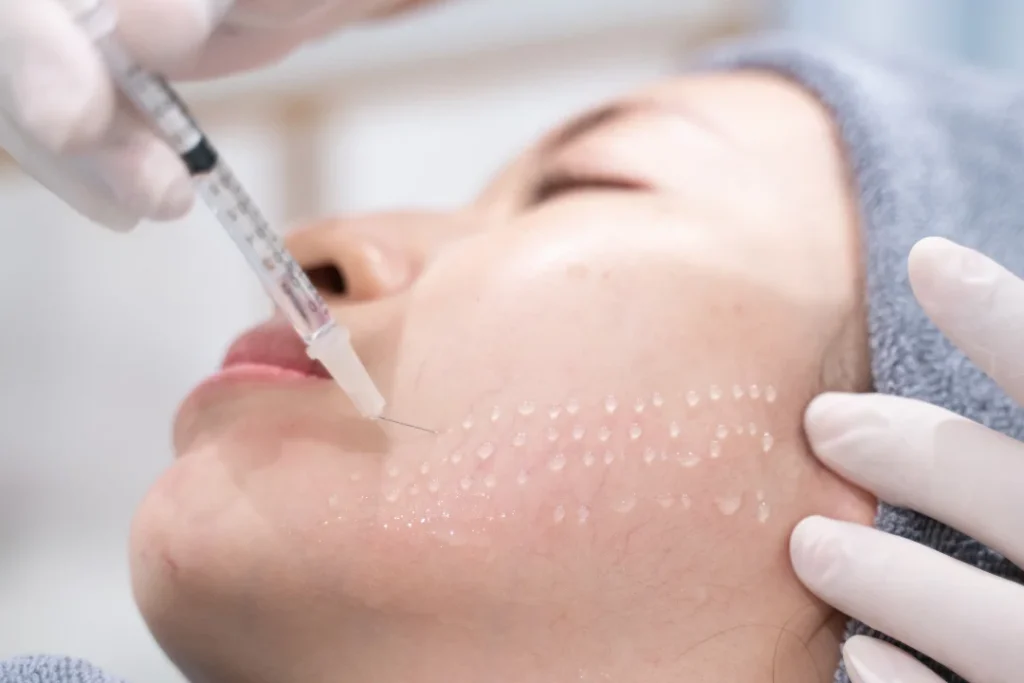
Cleanse your face twice daily using a gentle, non-comedogenic cleanser
Avoid touching or squeezing pimples, as it can cause scarring
Use oil-free and acne-safe skin care products
Maintain a balanced diet and reduce oily or junk food intake
Follow a consistent skin care routine recommended by dermatologists
Get expert skin and hair care guidance from Dr. Sarika Jain at DSJ Healthcare, Sector 51, Noida. Our clinic offers dermatologist-approved treatments for acne, pigmentation, hair fall, dandruff, and other skin concerns using safe, clinically tested methods. Each treatment plan is personalized based on your skin type and condition to ensure effective and long-lasting results. Book a consultation today for trusted, professional skin and hair care solutions.
Knowing when to consult a dermatologist is important for maintaining healthy skin and hair. While minor issues can often be managed with basic care, certain conditions require professional evaluation and treatment.
You should see a dermatologist if you experience persistent acne, severe pimples, or pigmentation that does not improve with regular skin care. Excessive hair fall, dandruff, or scalp infections lasting for several weeks also need expert attention.
Other warning signs include itching, rashes, fungal infections, eczema, sudden skin changes, moles changing in size or color, and chronic skin irritation. Early consultation helps prevent complications, scarring, and long-term skin damage.
For expert dermatology care, visit DSJ Healthcare, D-85/10, D Block, Sector-51, Noida, where professional evaluation and personalized treatment ensure safe and effective skin and hair care solutions.
You should book an appointment if you have persistent acne, pigmentation, hair fall, dandruff, skin allergies, or any skin condition that does not improve with regular care.
Yes. At DSJ Healthcare, Dr. Sarika Jain evaluates your skin type, medical history, and concern before recommending a customized treatment plan.
All treatments at DSJ Healthcare are dermatologist-approved and clinically safe, including for sensitive and acne-prone skin, when followed as advised.
Results depend on the skin condition and treatment type. Some improvements are visible within a few weeks, while others require consistent follow-up.
Yes. A professional consultation is essential to ensure accurate diagnosis and safe, effective treatment.